
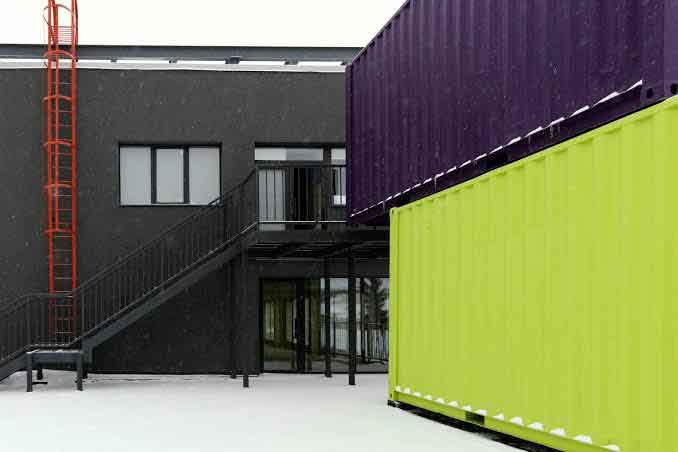
Portacabins have become a practical option for businesses that need usable space without committing to conventional construction for every requirement. They can be used as site offices, worker accommodation, security rooms, classrooms, staff facilities, storage areas, meeting rooms, and temporary commercial spaces.
However, buying a portacabin in Dubai should not be treated as simply choosing a unit based on size and price. The right purchase requires consideration of the intended use, construction quality, insulation, electrical and plumbing requirements, transportation, installation, site conditions, and applicable approvals.
Dubai Municipality’s Dubai Building Code establishes minimum requirements covering areas such as health, safety, building design, environmental impact, and sustainable development. Building permit procedures also cover requirements for different types of construction and structures in Dubai.
If you are purchasing a portacabin for the first time, the following step-by-step process can help you make a more informed decision.
Step 1: Define Why You Need a Portacabin
The first question is not “How much does a portacabin cost?” It is “What will the portacabin be used for?”
Different applications require different specifications.
For example, a construction company may need a basic site office, while a business may require a fully fitted office with air conditioning, electrical outlets, lighting, flooring, and partitioned rooms.
Common portacabin applications include:
- Construction site offices
- Project management offices
- Security cabins
- Staff accommodation
- Worker accommodation
- Meeting rooms
- Reception areas
- Classrooms
- Site facilities
- Storage rooms
- Temporary commercial offices
- Welfare facilities
Clearly defining the purpose helps you avoid paying for features you do not need while ensuring that essential requirements are not overlooked.
Step 2: Decide Between New and Used Portacabins
One of the most important purchasing decisions is whether to buy a new or used unit.
New Portacabins
A new portacabin can be a good choice when you want:
- Specific dimensions
- Customized layouts
- New electrical and plumbing installations
- Modern insulation
- Specific finishes
- A longer expected service life
- Greater control over the final specification
New units can also be designed around the intended application rather than modified from an existing structure.
Used Portacabins
Used portacabins can offer a lower initial purchase price, particularly when the unit already has the required layout.
However, the inspection becomes much more important.
Before buying a used portacabin, check:
- Structural condition
- Roof condition
- Wall and floor condition
- Signs of corrosion
- Water leakage
- Door and window condition
- Electrical installation
- Plumbing
- Air-conditioning equipment
- Insulation
- Flooring
- Previous repairs
- Evidence of moisture damage
The cheapest unit is not necessarily the cheapest option once transportation, refurbishment, repairs, and modifications are included.
Step 3: Choose the Right Size and Layout
Portacabin size should be based on how the space will actually be used.
Consider the number of people who will occupy it, furniture requirements, circulation space, equipment, storage, and whether separate rooms are necessary.
For an office, for example, you may need:
- Workstations
- Desks
- Meeting space
- Storage
- Reception
- Electrical outlets
- Data connections
- Air conditioning
For accommodation, requirements will be different and may include sleeping areas, bathrooms, kitchens, and other facilities.
Avoid selecting a unit simply because it is the largest available option. Excess space increases transportation, installation, cooling, and operating requirements.
Step 4: Check the Construction and Structural Quality
A portacabin is only as useful as its underlying construction.
Ask the supplier about the structure and materials used for:
- Main frame
- Floor
- Walls
- Roof
- Insulation
- Doors
- Windows
- Internal partitions
Pay particular attention to corrosion protection and the condition of joints and connections if you are buying a used unit.
For Dubai’s climate, the building envelope is particularly important because heat gain can significantly affect indoor comfort and air-conditioning demand.
Dubai Municipality’s building framework includes requirements related to building design and environmental performance, while the Al Sa’fat system promotes improved building performance and reduced energy consumption.
Step 5: Pay Attention to Insulation
Insulation is one of the specifications that should not be overlooked when buying a portacabin in Dubai.
A poorly insulated cabin can become difficult and expensive to cool, especially during periods of high outdoor temperatures.
Ask about:
Wall insulation
Roof insulation
Floor insulation
Insulated doors
Window specifications
Sealing around openings
Better insulation can help reduce heat transfer and improve indoor comfort.
It can also support more efficient operation of air-conditioning equipment. Dubai’s Al Sa’fat framework specifically promotes measures that improve energy performance and the efficiency of electrical and mechanical systems.
Step 6: Review Electrical Requirements
Before purchasing, establish exactly what electrical equipment will operate inside the portacabin.
This could include:
Lighting
Air conditioners
Computers
Printers
Refrigerators
Water heaters
Kitchen equipment
Security systems
Networking equipment
Ask the supplier for details of the electrical installation, including distribution boards, wiring, sockets, lighting, and other included components.
If the cabin will contain equipment with significant electrical loads, the supply requirements should be assessed before installation.
Do not assume that an existing electrical configuration will automatically suit your intended use.
Step 7: Consider Air Conditioning
Air conditioning is particularly important for portacabins intended for regular occupancy in Dubai.
The required AC capacity depends on factors such as:
Cabin size
Insulation
Number of occupants
Windows
Orientation
Internal equipment
Operating hours
Heat generated inside the cabin
A larger air conditioner is not automatically better. The system should be appropriately sized for the actual cooling requirement.
Dubai Municipality publishes building-code resources that include AC-related schedules and calculations, reinforcing the importance of considering cooling requirements as part of building design.
Step 8: Check Plumbing and Sanitary Facilities
If the portacabin includes toilets, bathrooms, kitchens, sinks, or other water-consuming facilities, plumbing should be considered before purchase.
Check:
Water supply connections
Drainage connections
Bathroom fixtures
Water heaters
Kitchen fittings
Wastewater arrangements
Pipe conditionConnection locations
For a used unit, inspect plumbing carefully for leaks, corrosion, damaged fittings, and previous modifications.
A cabin with an attractive interior can still become an expensive purchase if its hidden plumbing infrastructure requires extensive repairs.
Step 9: Confirm Fire and Life-Safety Requirements
Fire safety should be considered before the unit is delivered to the site.
The UAE Civil Defence fire and life safety code is intended to provide a standard reference for contractors, consultants, and other concerned parties to implement Civil Defence safety requirements.
Depending on the portacabin’s use and location, requirements may involve issues such as:
Fire exits
Emergency access
Fire detection
Fire extinguishers
Emergency lighting
Occupancy
Electrical safety
Fire-resistant materials
Separation from other structures
The exact requirements can vary according to the application and site. Therefore, buyers should confirm the applicable requirements with their consultant, supplier, and relevant authorities rather than assuming that every portacabin has identical requirements.
Step 10: Verify Site and Approval Requirements
Before purchasing, determine whether the proposed installation requires approvals, permits, or other permissions.
This is particularly important when the portacabin will be installed as part of a larger development or construction project.
Dubai Municipality states that its building permit procedures are designed to ensure approved specifications and quality standards for buildings and structures, and its planning and construction framework covers applicable local laws, orders, and technical standards.
The supplier should therefore be able to provide the technical information needed for the project team to determine applicable requirements.
Do not purchase first and investigate approvals afterward.
Step 11: Inspect the Portacabin Before Buying
If you are buying a used portacabin, an inspection is particularly important.
Where possible, inspect the actual unit rather than relying only on photographs.
Use a checklist covering:
Exterior
Roof
Walls
Frame
Doors
Windows
Joints
Corrosion
Water damage
Interior
Flooring
Ceilings
Wall panels
Doors
Fixtures
Signs of moisture
Odours
General condition
Mechanical and Electrical
Air conditioning
Electrical distribution
Lighting
Switches
Sockets
Plumbing
Water heaters
Document any defects before agreeing on the final price.
Step 12: Compare Suppliers, Not Just Prices
A common mistake is requesting quotations from several suppliers and choosing the lowest number.
Instead, compare what each quotation actually includes.
A proper comparison should consider:
| Factor | What to Check |
|---|---|
| Unit | New or used |
| Dimensions | External and internal size |
| Structure | Frame and materials |
| Insulation | Walls, roof and floor |
| Electrical | Wiring, DB, sockets and lighting |
| AC | Type, capacity and quantity |
| Plumbing | Included fixtures and connections |
| Finishes | Flooring, walls and ceiling |
| Delivery | Transportation to site |
| Installation | Positioning and setup |
| Warranty | Coverage and duration |
| Modifications | Included customization |
| After-sales | Repair and support |
This approach makes quotations easier to compare on a like-for-like basis.
Step 13: Calculate the Total Purchase Cost
The advertised price is not always the final cost.
Your budget may need to include:
Portacabin purchase price + customization + transportation + lifting + installation + connections + site preparation + approvals + refurbishment
For a used cabin, add potential repair and refurbishment costs.
For a new customized cabin, include the cost of additional partitions, doors, windows, electrical systems, plumbing, AC, furniture, and other requested features.
Getting a complete quotation can prevent unexpected expenses later.
Step 14: Plan Transportation and Installation
A portacabin can be large and difficult to move, so transportation should be planned before purchase.
Consider:
Delivery route
Site access
Vehicle access
Loading and unloading
Crane requirements
Ground conditions
Final positioning
Connection to utilities
A supplier should ideally inspect the site or receive sufficient site information before confirming delivery arrangements.
Poor access can turn a straightforward purchase into a logistical problem.
Step 15: Ask About Warranty and After-Sales Support
A warranty provides additional protection, but buyers should understand exactly what it covers.
Ask:
How long is the warranty?
What components are covered?
Are electrical systems covered?
Is AC equipment covered?
Are structural defects covered?
Who performs repairs?
What is the response process?
Are spare parts available?
After-sales support can be particularly valuable for businesses that intend to use the portacabin for several years.
Common Mistakes to Avoid When Buying a Portacabin in Dubai
Choosing Based Only on Price
A cheap unit may require extensive modifications and repairs.
Ignoring Insulation
Poor insulation can increase cooling requirements and reduce comfort.
Buying Without Inspecting a Used Unit
Photographs rarely reveal every structural, electrical, or plumbing issue.
Forgetting Transportation Costs
Delivery and lifting can represent a significant part of the total project cost.
Not Checking Site Requirements
A portacabin may be technically suitable but difficult to install if access, utilities, or site conditions have not been assessed.
Assuming All Portacabins Meet the Same Requirements
The required specifications can vary according to the intended use and location. Applicable Dubai building and fire-safety requirements should be checked before installation.
Final Checklist Before Buying a Portacabin in Dubai
Before signing the purchase agreement, confirm:
Intended use is clearly defined
Correct size and layout selected
New or used condition verified
tructural condition inspected
Insulation specification confirmed
Electrical requirements checked
AC requirements assessed
Plumbing requirements confirmed
Fire-safety requirements reviewed
Site requirements checked
Applicable approvals investigated
Delivery arrangements confirmed
Installation scope defined
Warranty reviewed
After-sales support confirmed
Total project cost calculated
Conclusion
Buying a portacabin in Dubai can be a practical way to obtain additional space without following the same process as constructing a conventional building from scratch. But the purchase should be approached as a complete project rather than simply a transaction for a prefabricated unit.
Start by defining how the space will be used. Then evaluate size, construction, insulation, electrical and HVAC systems, plumbing, fire safety, site requirements, transportation, installation, warranty, and total cost.
Dubai Municipality’s building framework emphasizes safety, building performance, environmental considerations, and sustainable development, while Al Sa’fat promotes improved energy and mechanical-system efficiency.
For first-time buyers, the safest approach is to compare suppliers on specifications and total value rather than choosing solely on the lowest quoted price. A properly selected and installed portacabin can provide practical, comfortable space for a wide range of Dubai projects while giving the buyer greater control over cost, layout, and deployment.