
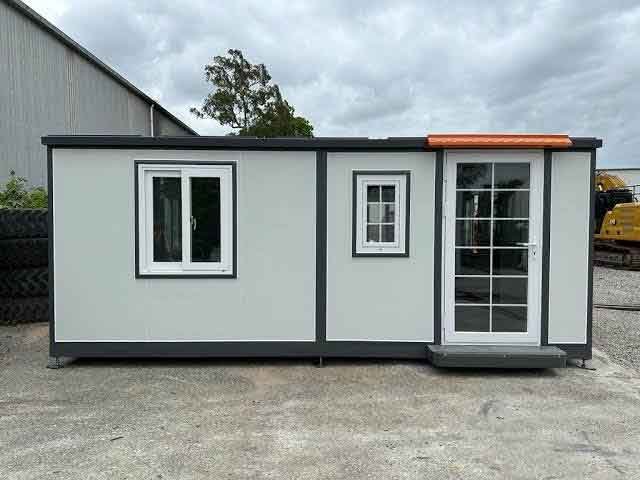
Buying a used portacabin in Dubai can be a practical option for businesses, contractors, construction companies, and project managers who need additional space without the cost and time involved in conventional construction. Used portacabins are commonly considered for site offices, staff facilities, security rooms, storage areas, temporary offices, and other project requirements.
However, buying a second-hand portacabin should not be based only on its appearance or advertised price. A cabin may look clean and newly painted while still having problems with its structural frame, roof, flooring, insulation, electrical system, plumbing, or previous repairs.
Before making a purchase, it is important to inspect the cabin carefully, understand its previous use, check what is included in the price, and calculate the complete cost of transportation and installation. You should also confirm that the proposed use and installation meet the requirements applicable to your Dubai site.
Start by Considering How You Will Use the Portacabin
The first step is to determine exactly what you need the portacabin for. Smart Tips for Getting the Best Portacabin Deal in Dubai. A unit intended for a construction-site office may have different requirements from one being used as accommodation, a security room, storage space, a staff room, or a fitted office.
Consider the number of people who will use it, the amount of floor space required, the number of rooms, the need for toilets or pantry facilities, electrical equipment, air conditioning, storage, and how long you expect to use the unit.
This is important because a used portacabin can be in good structural condition but still be unsuitable for your intended purpose. For example, purchasing a basic site office and then spending a significant amount on partitions, plumbing, electrical modifications, insulation, or air conditioning may reduce the financial benefit of buying used.
Inspect the Structural Frame Carefully
The structural frame should be one of the first areas you inspect. Examine the base frame, corner posts, vertical supports, roof supports, welded joints, connection points, and the underside of the cabin.
Look carefully for deep rust, pitting, cracks, damaged welds, deformation, previous structural repairs, or areas where the metal appears significantly weakened. Surface rust does not necessarily mean that the cabin should be rejected, but serious corrosion affecting load-bearing components deserves professional attention.
The base of the cabin is particularly important because it can be exposed to moisture and environmental conditions. Previous relocation can also affect a cabin, so ask the seller how many times the unit has been transported and whether any structural repairs were required during its previous use.
A fresh coat of paint cannot correct a weakened structural frame. If there are concerns about the condition of the frame, it is better to have it assessed before agreeing to purchase.
Examine the Roof for Damage and Leaks
The roof is another important part of a used portacabin inspection. Dubai experiences very high temperatures and intense sunlight, while occasional rainfall means the roof must still provide effective protection against water penetration.
Inspect the roof for corrosion, damaged sheets, dents, open joints, failed sealant, poor repairs, and other visible deterioration. The inspection should not stop at the exterior. Look inside the cabin for water stains, discoloration, damaged ceiling panels, or signs that leakage has occurred previously.
If the seller says the roof has recently been repaired, ask what work was carried out and when it was completed. A minor repair may not be a serious concern, but repeated leakage can cause damage to insulation, ceilings, flooring, internal finishes, and electrical components.
Check the Flooring Thoroughly
The floor can be easy to overlook because many portacabins have carpet, vinyl, tiles, or another finished surface covering the underlying structure.
Walk across the entire floor and pay attention to soft areas, sagging, uneven sections, unusual movement, cracked finishes, or previous patch repairs. If possible, inspect the underside of the cabin as well.
Water exposure and corrosion can affect the floor structure, especially when the previous installation environment had poor drainage or the cabin was not adequately supported.
A worn floor covering is not necessarily a reason to reject a used portacabin because flooring can often be replaced. The more important question is whether the structure underneath remains sound.
Check the Wall Panels and Insulation
The condition of the wall panels and insulation can have a major effect on comfort and energy performance. This is particularly relevant in Dubai, where indoor spaces generally depend heavily on air conditioning during hot periods.
Inspect the wall panels for dents, damaged sections, loose fittings, open joints, corrosion, water penetration, and poor previous repairs. Ask the seller what type of insulation is installed and whether any panels or insulation have been replaced.
Portable buildings in the UAE market can use different insulated panel systems and insulation materials. The thickness and construction of the panels can also vary depending on the cabin design.
Instead of simply asking whether a cabin is “insulated,” ask for the actual specifications where available. Understanding the insulation system can help you evaluate whether the cabin is appropriate for your intended use and cooling requirements.
Inspect Doors, Windows and Seals
Doors and windows should also be tested before purchase. Open and close every door and window to make sure they operate properly.
Check the hinges, locks, handles, frames, glass, rubber seals, and surrounding panels. Doors should close correctly without excessive force, while windows should operate smoothly and remain properly sealed.
Poor seals can allow dust, outside air, and moisture into the cabin. A door that does not close properly may also indicate a problem with the door itself, its frame, or potentially movement within the surrounding structure.
Have the Electrical System Checked
A used portacabin may already contain lighting, power sockets, switches, distribution boards, air-conditioning connections, and other electrical installations. These systems should not be considered safe simply because they appear to be working.
Look for damaged cables, loose fittings, signs of overheating, poor modifications, damaged sockets, and other visible problems. Ask whether the electrical system is original or whether previous owners added additional equipment or circuits.
Where there are concerns about the installation, a suitably qualified electrical professional should assess it before the cabin is put into service.
This is particularly important if the cabin will contain computers, office equipment, refrigeration equipment, air conditioners, kitchen appliances, or other electrical loads.
Test the Air Conditioning
Air conditioning can be one of the most important systems in a portacabin intended for use in Dubai. If AC units are included with the cabin, test them rather than assuming that they are in good working condition.
Check whether the units start properly, produce effective cooling, make unusual noises, show visible corrosion, or have damaged electrical connections. Ask about their age, capacity, servicing history, and whether replacement parts or maintenance have been required.
The performance of an AC system also depends on the cabin itself. Poor insulation, damaged seals, large windows, direct sunlight, and other factors can increase the cooling requirement.
Therefore, do not judge the cabin’s suitability only by the size or number of air-conditioning units installed.
Inspect Plumbing and Sanitary Facilities
If the used portacabin includes a toilet, bathroom, kitchen, pantry, or other plumbing facilities, inspect these areas carefully.
Run water through taps where possible and check whether drainage works properly. Look for leaking pipes, damaged fittings, water stains, cracked sanitaryware, poor seals, and signs of previous repairs.
Pay particular attention to floors around toilets, showers, sinks, and other water-use areas. Long-term moisture exposure can cause damage that is not immediately visible.
You should also confirm what plumbing equipment is included in the purchase and what connections will need to be provided at the new site.
Look for Hidden Water Damage
Water damage is one of the problems that can be difficult to identify during a quick inspection. Examine ceilings, wall panels, flooring, corners, and areas around windows and doors for stains, discoloration, swelling, peeling finishes, or unusual smells.
Fresh paint should not automatically be treated as a warning sign. However, if only certain areas appear recently painted, ask why those sections were repaired or repainted.
Ask the seller whether the cabin has ever experienced roof leakage, plumbing problems, flooding, or other water-related issues. A transparent explanation and supporting maintenance information can help you make a better decision.
Pay Attention to Corrosion
Corrosion should be assessed throughout the cabin rather than only on visible exterior panels. Examine the base rails, underside, corner posts, roof edges, fasteners, welded joints, door frames, window frames, and areas around plumbing.
Previous use near coastal environments can also be relevant because salt-laden moisture can accelerate corrosion of exposed metal and protective coatings.
However, a cabin’s previous location should not be the only deciding factor. What matters most is the current condition of the structure and the extent of any corrosion.
Ask About Age and Previous Use
When buying a used portacabin, ask about its manufacturing date, previous locations, length of service, number of relocations, and previous purpose.
Age is useful information, but it should not be considered on its own. Two portacabins of the same age may have very different conditions depending on their construction quality, maintenance, environment, and previous use.
Ask whether the cabin was used as an office, accommodation facility, storage space, construction-site unit, or another type of facility. Also ask whether it has previously been installed near the coast or in particularly demanding environments.
A clear history can help you understand why the cabin is being sold and what type of maintenance it may require.
Verify What “Refurbished” Actually Means
The word “refurbished” can mean different things to different sellers. One supplier may have completely renovated a cabin, while another may have only repainted the exterior and replaced a few fixtures.
Ask the seller to explain exactly what refurbishment work was completed.
Find out whether the flooring, wall panels, ceiling, insulation, electrical wiring, plumbing, doors, windows, air-conditioning units, or roof materials were replaced or repaired.
If major structural or service work has been carried out, ask whether photographs, maintenance records, technical specifications, or other documentation are available.
The appearance of the cabin is important, but the quality of the work underneath that appearance is even more important.
Confirm the Exact Size and Layout
Never purchase a used portacabin based only on photographs. Confirm its exact external and internal dimensions, floor area, ceiling height, room arrangement, door positions, window locations, toilet facilities, and other specifications.
Make sure the cabin will fit the available area at your site. You should also consider the space required around the cabin for access, maintenance, installation, and safe movement.
If you need a particular layout, check whether modifications are already included or whether they will need to be completed after purchase.
Calculate Transportation and Installation Costs
The advertised price of a used portacabin is not necessarily the final amount you will spend.
Transportation, unloading, positioning, installation, site preparation, electrical connections, plumbing, repairs, and other work may add to the overall cost.
Ask the seller whether delivery is included. Confirm whether unloading and positioning are also included and whether a crane will be required.
Site access is another important consideration. Delivery vehicles need suitable access, and the installation area must be appropriate for the cabin.
For this reason, compare the total delivered and installed cost rather than looking only at the purchase price.
Check the Site Before Ordering
Before purchasing the cabin, inspect the proposed installation location. Check the ground condition, available space, vehicle access, crane access where required, electrical connection points, water connections, drainage, and clearance around the unit.
The exact requirements depend on the cabin design and intended use. Some sites may require additional preparation before the cabin can be installed.
Planning this in advance can help prevent unexpected costs and delivery problems.
Verify Dubai Approval and Compliance Requirements
A portacabin is portable, but that does not automatically mean that every installation or use is exempt from applicable regulations.
Dubai has a building and construction regulatory framework that includes the Dubai Building Code. Dubai Municipality explains that the Dubai Building Code establishes minimum requirements for areas including health, safety, welfare, and building design.
Dubai legislation also addresses temporary construction works, including temporary site offices and similar facilities.
The requirements that apply to a specific portacabin can depend on its location, intended use, duration, site ownership, development zone, free-zone jurisdiction, occupancy, services, and other factors.
For this reason, buyers should confirm the requirements applicable to their particular site before arranging delivery. Do not rely solely on a general statement from a supplier that a cabin is “approved.”
Consider Fire Safety
Fire safety should also be considered when buying a used portacabin, particularly when the unit will be occupied as an office, accommodation facility, welfare room, or other regularly used space.
Ask what fire-safety features are included and whether relevant documentation is available. Depending on the application and applicable requirements, considerations may include fire detection, emergency exits, fire-resistant materials, extinguishing equipment, electrical safety, and suitable separation between units.
The correct requirements depend on the building use and applicable authority requirements, so these should be confirmed before installation.
Compare the Total Purchase Cost
One of the biggest mistakes buyers make is comparing only the advertised purchase prices of different portacabins.
The actual cost can include the cabin itself, transportation, unloading, installation, site preparation, electrical work, plumbing, air-conditioning repairs, refurbishment, and future maintenance.
A cheaper cabin that requires extensive repairs may ultimately cost more than a better-maintained cabin with a higher initial price.
The better approach is to calculate the total expected cost before making your decision.
Compare Several Suppliers
It is also useful to compare several used portacabin suppliers rather than accepting the first available option.
When comparing cabins, make sure you are comparing similar specifications. Look at the size, age, structural condition, roof, flooring, insulation, electrical system, AC, plumbing, refurbishment, transportation, installation, and final cost.
A structured comparison makes it easier to identify which cabin actually provides better value.
A reputable supplier should also be willing to explain the condition and specifications of the cabin and provide relevant information about included equipment and services.
Watch for Common Warning Signs
There are several warning signs that should make you investigate a used portacabin more carefully. An unusually low price is one example. A very cheap cabin may be a good opportunity, but it is important to understand why the price is low.
Heavy structural corrosion, repeated roof repairs, soft flooring, unexplained fresh paint, extensive water damage, unclear refurbishment history, missing specifications, and refusal to allow reasonable inspection should all be treated carefully.
You should also be cautious when the seller does not clearly explain additional charges for transportation, unloading, installation, or modifications.
Ask Questions Before Making Payment
Before purchasing, ask the supplier about the cabin’s age, previous use, relocation history, structural repairs, roof condition, insulation, flooring, electrical system, AC units, plumbing, refurbishment work, and technical specifications.
You should also confirm what is included in the quoted price and whether delivery, unloading, positioning, and installation are included.
If the cabin will be installed in Dubai, ask about the documentation available for the unit and independently verify any authority or approval requirements applicable to your particular site and intended use.
Getting these details in writing can help reduce misunderstandings later.
Final Thoughts
Buying a used portacabin in Dubai can provide a practical and cost-effective space solution, but the purchase should be based on condition and total value rather than appearance alone.
The structural frame, base, roof, flooring, insulation, doors, windows, electrical system, air conditioning, and plumbing should all be inspected carefully. You should also understand the cabin’s previous use, maintenance history, refurbishment work, transportation requirements, and installation costs.
Most importantly, check the requirements that apply to your intended Dubai site before delivery. A portacabin may be movable, but its installation and use can still be subject to applicable building, safety, planning, and authority requirements.
The best used portacabin deal in Dubai is not necessarily the cheapest one. It is the cabin that offers the right size and layout, sound structural condition, suitable insulation and services, manageable refurbishment requirements, reasonable delivery costs, and suitability for your intended project.
FAQs
What should I check first when buying a used portacabin in Dubai?
Start with the structural frame, base, roof, and floor. Then inspect the insulation, electrical system, AC, plumbing, doors, windows, and signs of water damage.
Is buying a used portacabin cheaper than buying a new one?
A used portacabin can have a lower initial purchase price, but you should compare the complete cost after transportation, installation, refurbishment, and required repairs.
How important is insulation in a Dubai portacabin?
Insulation is important because Dubai’s hot climate means the cabin will generally depend heavily on air conditioning for indoor comfort.
Should I inspect a used portacabin before buying it?
Yes. A physical inspection can identify structural, roof, flooring, electrical, plumbing, and water-damage issues that may not be obvious in photographs.
Do portacabins need approval in Dubai?
The requirements depend on the location, intended use, and applicable jurisdiction. Buyers should verify the requirements for their specific site before installation.
What matters more, the age or condition of a used portacabin?
Both are relevant, but structural condition, maintenance history, previous use, corrosion, roof condition, flooring, and insulation can be more useful indicators of the cabin’s remaining service potential than age alone.
What are the biggest warning signs when buying a used portacabin?
Serious structural corrosion, damaged frames, recurring roof leaks, soft flooring, extensive water damage, unclear refurbishment work, missing specifications, and unexplained additional costs are important warning signs.