
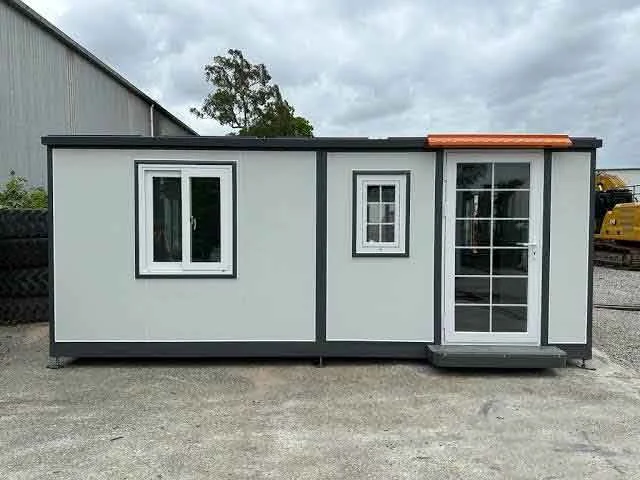
Choosing the right modular cabin for sale in the UAE requires more than comparing prices and selecting a cabin based on its appearance. A modular cabin is often used for important functions such as offices, worker accommodation, security rooms, storage facilities, welfare areas, and temporary commercial spaces. Because of this, the cabin needs to match the specific requirements of the project, the available site space, the expected number of occupants, and the demanding UAE climate.
Modular cabins have become a practical solution for businesses and contractors that need usable space without going through the lengthy process associated with conventional construction. They can be manufactured, transported, installed, and in many cases relocated according to project requirements. Depending on the design, modular cabins can also be customized with insulation, air conditioning, electrical systems, plumbing, partitions, flooring, doors, windows, and other facilities.
However, not every modular cabin is suitable for every application. A security potacabin, for example, has very different requirements from a fully equipped site office or accommodation unit. Understanding these differences before purchasing can help you select a cabin that provides better comfort, durability, functionality, and long-term value.
What Is a Modular Cabin?
A modular cabin is a prefabricated structure that is manufactured either partially or substantially away from its final location and then transported to the required site. Some modular cabins are delivered as completed units, while larger modular buildings can consist of several sections that are assembled or connected at the project location.
The construction commonly incorporates a structural frame together with insulated wall and roof panels, flooring, doors, windows, electrical systems, lighting, and air-conditioning provisions. Depending on the intended application, additional facilities such as bathrooms, kitchens, storage areas, meeting rooms, and specialized electrical or plumbing systems can also be incorporated into the design.
The terms modular cabin, portable cabin, and prefabricated cabin are sometimes used interchangeably in the UAE market, although the actual construction and configuration can differ between suppliers. For this reason, buyers should focus on the technical specifications and intended application rather than relying only on the name used to describe the product.
Determine How You Will Use the Modular Cabin
The first and most important step when choosing a modular cabin is identifying its intended purpose. The application will determine the size, layout, insulation, electrical requirements, cooling system, interior fittings, and other specifications.
For example, a modular office cabin may require workstations, electrical sockets, lighting, air conditioning, data connections, storage, and meeting space. A construction company may need several connected cabins to create offices for engineers, project managers, supervisors, and administrative staff.
Accommodation cabins require a different approach. Depending on the project, they may need sleeping areas, bathrooms, kitchens, ventilation, air conditioning, storage, and appropriate electrical and plumbing systems. If the cabin is intended for worker accommodation, the buyer should confirm the applicable requirements for the particular project and location before purchasing.
Security cabins are generally smaller, but they still need to provide adequate visibility, lighting, ventilation, electrical connections, and cooling for personnel who may spend extended periods inside.
Storage cabins have different priorities. In this situation, security, weather protection, floor strength, ventilation, lockable access, and protection of stored materials may be more important than extensive interior finishes.
Understanding the intended use first prevents buyers from selecting a cabin that is either unsuitable for the application or unnecessarily expensive because of features they do not need.
Select the Appropriate Cabin Size
After determining the purpose of the cabin, the next consideration is size. The correct size depends on how many people will use the space, the furniture and equipment required, the number of rooms, and the amount of usable floor area available at the site.
Modular cabin suppliers in the UAE offer different sizes and configurations. Some standard units are based around familiar portable-building dimensions, while larger facilities can be created by combining several modules.
When comparing cabin sizes, do not look only at the external dimensions. Ask the supplier for the internal dimensions as well. Wall panels, insulation, partitions, service areas, and internal finishes can reduce the actual usable space.
A cabin intended for one or two security personnel will obviously have different space requirements from a site office accommodating an entire project team. Similarly, an accommodation cabin needs sufficient space for occupants, beds, storage, circulation, and any required facilities.
Planning the layout before purchasing can help you determine whether one cabin is sufficient or whether several interconnected units would provide a more practical solution.
Consider the UAE Climate
Climate performance is one of the most important factors when purchasing a modular cabin for sale in the UAE. A cabin installed outdoors is exposed to intense sunlight and high temperatures, while coastal locations can also experience significant humidity and salty air.
These environmental conditions make the construction of the cabin particularly important. Wall insulation, roof insulation, flooring, windows, doors, ventilation, and air conditioning all contribute to indoor comfort.
A cabin that is suitable for occasional storage may not provide the same level of comfort required for an office occupied throughout the working day. Therefore, buyers should not simply ask whether a cabin is “suitable for the UAE.” They should request information about its actual construction and thermal-performance features.
The supplier should be able to explain the insulation material, panel thickness, roof construction, window specification, door construction, and recommended air-conditioning system.
Pay Attention to Insulation
Insulation plays an important role in reducing heat transfer between the outside environment and the cabin interior. UAE modular cabin suppliers use different types of insulated sandwich panels, with materials such as polyurethane, PIR, EPS, and rock wool available depending on the product and application.
The appropriate insulation depends on the intended use of the cabin and the performance requirements of the project. A basic storage unit may have different requirements from an occupied office or accommodation facility.
When comparing cabins, ask for the technical specification of the insulation rather than relying on a general statement that the cabin is insulated. Understanding the insulation material and thickness gives you a better basis for comparing different products.
Roof insulation deserves particular attention because the roof is directly exposed to solar radiation. A properly designed roof can contribute significantly to indoor thermal comfort when combined with appropriate wall insulation and air conditioning.
Choose an Appropriate Air-Conditioning System
Air conditioning is essential for most occupied modular cabins in the UAE. However, selecting a cooling system should not simply involve choosing the largest available air-conditioning unit.
The cooling requirement depends on the cabin’s size, insulation, number of occupants, window area, orientation, internal equipment, lighting, and exposure to sunlight.
A well-insulated cabin can help reduce the amount of cooling required to maintain comfortable indoor conditions. Conversely, poor insulation or excessive solar exposure can increase the cooling load.
When requesting a quotation, confirm whether air conditioning is included in the price and ask what type and capacity of system is proposed. It is also important to check whether the electrical system has been designed to support the air-conditioning equipment and other appliances that will operate inside the cabin.
Compare Construction Quality and Materials
Two modular cabins can look almost identical externally while having significantly different construction quality.
Before purchasing, ask the supplier about the structural frame, wall panels, roof construction, flooring, exterior finishes, doors, windows, insulation, and corrosion protection.
Steel framing is commonly used in modular and portable cabin construction because it provides structural strength and supports transportation and installation. Some products use galvanized or otherwise corrosion-protected components, which can be particularly relevant for outdoor use.
The construction should also be appropriate for the cabin’s expected life cycle. If the unit will remain in one location for many years, durability and long-term maintenance become particularly important. If the cabin is expected to be relocated several times, its structural design and lifting arrangements also deserve careful consideration.
Decide Between a Standard and Customized Cabin
Standard modular cabins are often suitable when the project has straightforward requirements and the buyer wants a faster, simpler solution. They may already include basic flooring, lighting, electrical points, doors, windows, insulation, and air conditioning depending on the supplier and model.
Customization becomes more valuable when the project requires a specific internal arrangement or specialized facilities.
A customized modular cabin can be designed with additional rooms, meeting spaces, partitions, electrical outlets, data connections, bathrooms, kitchens, different flooring, specialized doors and windows, or additional air-conditioning requirements.
For larger projects, several modules can also be connected to create a more substantial modular facility.
The best approach is to compare the complete project cost rather than assuming that the standard cabin with the lowest initial price is automatically the most economical option.
Think About Future Expansion
Another advantage of modular construction is the potential for future expansion. Project requirements can change, particularly on construction sites, industrial developments, and temporary facilities.
A company may initially require only a small office cabin but later need additional offices, meeting rooms, storage areas, welfare facilities, or accommodation.
If future expansion is possible, ask the supplier whether additional modules can be connected to the original system. Planning for expansion at the beginning can help create a more organized facility and may reduce the need for major changes later.
Check Transportation and Installation Requirements
Purchasing a modular cabin does not end with the manufacturing process. The cabin must also be transported to the project location and positioned safely.
Before placing an order, consider whether the site has sufficient access for delivery vehicles and lifting equipment. Gate dimensions, road access, turning space, ground conditions, overhead clearance, and the final installation area can all affect delivery.
The quotation should clearly state whether transportation, crane or lifting services, positioning, and installation are included.
It is also worth confirming how the cabin will be positioned and whether the site needs any preparation before delivery. A supplier may provide installation services, but the buyer should understand exactly what those services cover.
Review Electrical and Plumbing Requirements
A modular cabin used as an office, accommodation unit, welfare facility, or commercial space requires properly planned utilities.
An office may need lighting, electrical sockets, air conditioning, computers, printers, networking equipment, and other appliances. Accommodation or welfare cabins may additionally require bathrooms, showers, kitchens, water heaters, water connections, and drainage.
These requirements should be discussed before the cabin is manufactured or purchased. Changing the layout or utility arrangement after installation can be more complicated than incorporating the requirements during the design stage.
When comparing quotations, check whether electrical and plumbing systems are included or quoted separately. A low-priced cabin may appear attractive until essential services and modifications are added to the final cost.
Consider Fire Safety and Project Requirements
Fire and safety requirements vary according to the cabin’s intended use, occupancy, location, size, and overall project configuration.
A simple storage cabin will not necessarily have the same requirements as an accommodation facility, office complex, or public-facing modular building.
Depending on the project, requirements may involve fire-rated construction, alarms, emergency lighting, extinguishing equipment, escape arrangements, and other safety provisions.
It is therefore important not to assume that a standard modular cabin automatically satisfies every requirement. Discuss the intended use and location with the supplier and relevant project professionals so that the appropriate specifications can be established before purchase.
Confirm Applicable Approvals
Another important consideration is whether the proposed installation requires approval from the relevant authority.
Being portable does not automatically mean that a cabin can be installed anywhere without permission. Requirements can vary according to the emirate, development, land use, project type, location, and intended use.
For example, Dubai government information indicates that construction and temporary construction activities can be subject to formal permitting procedures. The Dubai Development Authority also provides a Temporary Construction Permit service for applicable developments and lists technical documentation and authority requirements that may apply to such projects.
For this reason, buyers should determine the relevant authority requirements before ordering the cabin. Ask the supplier what drawings, technical documents, structural information, NOCs, or other documentation can be provided and clarify who is responsible for obtaining approvals.
Consider Buying a New or Used Modular Cabin
Both new and used modular cabins can be suitable depending on the project’s budget and expected duration.
A new modular cabin gives you greater control over the design, materials, layout, insulation, electrical system, and interior specifications. It can also be customized according to the project’s exact requirements.
A used modular cabin can provide a lower initial purchase cost, particularly when the project has a limited budget or shorter expected operating period. However, the condition of the cabin needs to be carefully inspected before purchase.
Check the structural frame, roof, floor, wall panels, insulation, doors, windows, electrical system, plumbing, air conditioning, and signs of corrosion or water damage. Previous repairs and modifications should also be identified.
The cheapest used cabin is not necessarily the best value. If extensive refurbishment, transportation, modifications, or repairs are required, the final cost can approach or even exceed the cost of a newer unit.
Compare the Total Cost of Ownership
One of the most common mistakes when buying a modular cabin is comparing only the advertised purchase price.
The total cost may include the cabin itself, customization, transportation, crane or lifting services, installation, electrical work, plumbing, air conditioning, site preparation, and potentially approval-related expenses.
Not every project will require all of these services, but they should be considered when comparing suppliers.
For a fair comparison, ask different suppliers to quote the same specification. If one quotation includes air conditioning and delivery while another does not, the headline prices cannot be compared directly.
A slightly more expensive cabin may ultimately provide better value if it includes higher-quality construction, better insulation, required utilities, transportation, installation, and a suitable warranty.
Ask for a Detailed Technical Specification
Before purchasing a modular cabin, request a written technical specification from the supplier.
The specification should clearly describe the cabin dimensions, structural construction, wall and roof panels, insulation, flooring, doors, windows, electrical system, air conditioning, plumbing where applicable, interior finishes, and any included accessories.
It should also explain what is included in transportation and installation and whether the supplier provides technical drawings or other documentation required for the project.
Having these details in writing makes it easier to compare different suppliers and reduces the possibility of misunderstandings after the purchase.
Choose a Supplier With Relevant Experience
The supplier you choose can have a major influence on the success of the project.
A reputable modular cabin supplier should be able to explain the available options, discuss the technical requirements, provide a clear quotation, and advise on transportation and installation.
For customized or large projects, experience with similar applications is particularly useful. A supplier that has previously manufactured site offices, accommodation units, welfare facilities, security cabins, or larger modular buildings may be better positioned to understand the practical requirements of those applications.
After-sales support should also be considered. Ask about warranty coverage, maintenance support, replacement components, and assistance if the cabin needs to be modified or relocated later.
Consider the Cabin’s Long-Term Purpose
Before purchasing a modular cabin for sale in the UAE, think about how long you expect to use it and whether the project is temporary or long term.
For a short-term construction project, a practical standard cabin may be sufficient. For a long-term facility, greater attention should be given to insulation, structural durability, interior finishes, air-conditioning efficiency, corrosion protection, maintenance, and future expansion.
If relocation is likely, ask whether the cabin is designed to be moved and what equipment and procedures are required for transportation.
Thinking about the complete life cycle of the cabin can help you make a better investment decision rather than choosing solely according to the immediate purchase price.
How to Choose the Right Modular Cabin for Your UAE Project
There is no single modular cabin that is ideal for every project in the UAE. The correct choice depends on what you need the cabin to do, how many people will use it, how long it will remain in service, and where it will be installed.
Start by defining the purpose of the cabin. Once the application is clear, determine the appropriate size and layout. Then compare construction materials, insulation, roof design, air conditioning, electrical systems, plumbing, doors, windows, and interior finishes.
For projects in the UAE, climate performance should receive particular attention. Strong sunlight and high outdoor temperatures make insulation and cooling important considerations for occupied cabins. Projects in coastal areas may also require additional attention to corrosion protection and maintenance.
Transportation, installation, future expansion, safety requirements, and applicable approvals should also be considered before placing the order.
Frequently Asked Questions
How much does a modular cabin cost in the UAE?
The cost of a modular cabin varies depending on its size, construction, insulation, layout, interior finishes, air conditioning, electrical and plumbing systems, customization, transportation, and installation. Because specifications differ considerably between cabins, requesting a quotation based on your exact requirements provides a more useful price comparison than relying on a general market figure.
Are modular cabins suitable for the UAE climate?
Yes, modular cabins can be designed for UAE conditions. However, suitability depends on the actual construction and specification. Insulation, roof design, windows, doors, ventilation, and air conditioning should all be considered when selecting a cabin for regular occupancy.
Can a modular cabin be customized?
Yes. Modular cabins can be customized according to their intended application. Depending on the supplier, customization may include room layouts, partitions, electrical systems, plumbing, air conditioning, flooring, doors, windows, kitchens, bathrooms, and other facilities.
What size modular cabin should I buy?
The required size depends on the number of occupants, intended use, furniture, equipment, rooms, storage requirements, and available site space. A supplier should be able to recommend a suitable configuration after understanding your project requirements.
Are used modular cabins worth buying?
Used modular cabins can be worthwhile when they are in good structural and functional condition. Before purchasing, inspect the frame, roof, floor, insulation, electrical systems, air conditioning, doors, windows, plumbing, and signs of corrosion or water damage. The complete refurbishment and transportation costs should also be considered.
Can modular cabins be relocated?
Many modular and portable cabins can be relocated, but the practicality of moving a particular unit depends on its construction, size, lifting arrangements, site conditions, and utility connections. If relocation is expected, this should be discussed with the supplier before purchasing.
Do modular cabins require approval in the UAE?
Approval requirements depend on the emirate, location, project type, land use, and intended application. Portable construction does not automatically mean that no approval is required. Buyers should confirm the requirements with the relevant authority before installing the cabin.
Final Thoughts
Choosing the right modular cabin for sale in the UAE is ultimately about matching the cabin to the project rather than choosing a product based solely on price.
The intended use should determine the cabin’s size, layout, construction, insulation, cooling, utilities, and interior specification. At the same time, the UAE environment makes thermal performance, air conditioning, weather resistance, and durability particularly important considerations.
Before making a purchase, compare detailed technical specifications, understand what is included in the quotation, check transportation and installation requirements, and confirm any applicable approvals. If you are considering a used cabin, inspect its condition carefully and calculate the cost of any required refurbishment.
A well-selected modular cabin can provide practical, flexible space for offices, accommodation, security, storage, welfare facilities, and other project requirements. By taking the time to evaluate the cabin’s construction, purpose, performance, and total cost, businesses can choose a solution that delivers better value throughout its useful life.