
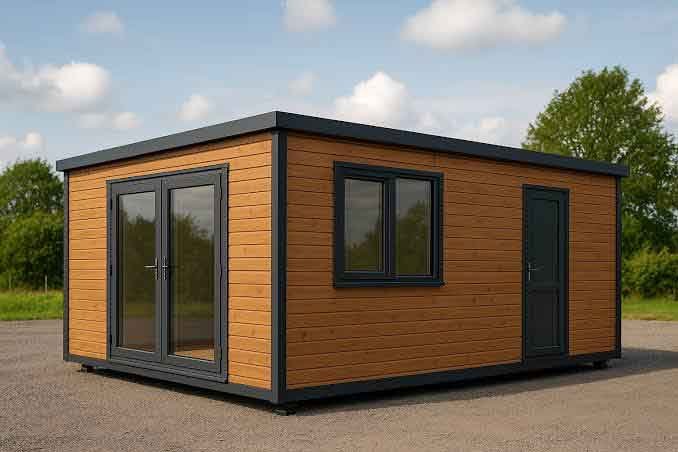
Buying a portacabin for the first time in the UAE can seem straightforward: choose a size, select a layout, check the price, and arrange delivery. In practice, there are several technical, safety, site, and regulatory factors that should be considered before making a purchase.
Portacabins are commonly used as site offices, accommodation units, security rooms, classrooms, storage facilities, welfare units, commercial spaces, and temporary project buildings. Their modular construction can make them faster to deploy than conventional buildings, but that does not mean every portable building is suitable for every site.
Dubai regulations specifically recognise temporary site offices as temporary construction works, while Dubai’s land-use regulations identify temporary offices at construction projects as a permitted temporary use subject to applicable requirements.
If you are buying a portacabin in the UAE for the first time, the following checklist can help you evaluate the unit and supplier before committing to a purchase.
1. Define How You Will Use the Portacabin
Start with the intended purpose.
A portacabin designed as a basic construction site office may not be suitable for accommodation, a classroom, a clinic, a staff facility, or a permanent commercial application.
Before speaking to suppliers, determine whether you need the unit for:
Construction site offices
Security cabins
Staff accommodation
Site meeting rooms
Sales offices
Classrooms
Retail or commercial use
Storage
Welfare facilities
Temporary project facilities
Workshops or specialised spaces
The intended use affects the required layout, insulation, electrical system, plumbing, ventilation, doors, windows, fire-safety provisions, and internal finishes.
2. Decide Between New and Used
One of the first purchasing decisions is whether to buy a new portacabin or a used/refurbished unit.
New Portacabins
A new unit allows greater control over:
Dimensions
Layout
Insulation
Doors and windows
Flooring
Electrical fittings
Plumbing
Air conditioning
Interior finishes
It can be a better choice when the unit will be used for a longer period or when specific design requirements must be met.
Used Portacabins
Used units can be attractive when the priority is obtaining a functional building quickly and economically.
However, inspect the cabin carefully for:
Structural damage
Corrosion
Water leakage
Damaged panels
Roof condition
Floor deterioration
Door and window condition
Electrical problems
Plumbing defects
Previous modifications
Signs of poor maintenance
A low purchase price does not necessarily mean a low total cost if extensive refurbishment is required after purchase.
3. Check the Dimensions and Internal Layout
Do not select a portacabin based only on its external dimensions.
Check the actual usable internal space and consider how people, furniture, equipment, and storage will fit inside.
For an office, for example, consider:
Number of employees
Desks
Meeting table
Storage cabinets
IT equipment
Air-conditioning units
Electrical outlets
Door positions
Window locations
For accommodation, the requirements will be different.
Create a basic floor plan before purchasing. This can prevent the common mistake of buying a cabin that appears large enough but becomes overcrowded once furniture and equipment are installed.
4. Inspect the Structural Condition
If you are purchasing a used portacabin, structural inspection is particularly important.
Check:
Main frame
Floor frame
Roof
Wall panels
Corner sections
Door frames
Window frames
Welded connections
Lifting points
Evidence of corrosion
Signs of deformation
Dubai’s building requirements place emphasis on structural safety and require structural design to be prepared by qualified professionals where applicable. The regulations also require buildings and their components and materials to satisfy requirements relating to durability and structural safety.
For a used unit, ask the seller whether structural drawings, specifications, inspection records, or manufacturer documentation are available.
5. Pay Close Attention to Insulation
The UAE’s hot climate makes thermal insulation one of the most important features of a portacabin.
Ask what type and thickness of insulation is installed in:
Walls
Roof
Floor
Also ask about the material used in the sandwich panels, if applicable.
Good insulation can help reduce heat transfer and make the interior more comfortable. It can also reduce the workload placed on air-conditioning equipment.
Do not accept vague descriptions such as “fully insulated.” Ask the supplier for the actual panel or insulation specifications.
6. Check the Roof and Waterproofing
The roof is particularly important in a portable building because leaks can damage ceilings, electrical systems, furniture, documents, and equipment.
During inspection, look for:
Rust
Water stains
Cracks
Damaged roof sheets
Failed joints
Poor sealing
Previous leak repairs
Standing-water areas
Damaged drainage arrangements
If purchasing a used portacabin, inspect the interior ceiling as well as the external roof. Evidence of previous water ingress may be easier to see from inside.
7. Examine Doors and Windows
Doors and windows affect security, ventilation, natural lighting, energy performance, and occupant safety.
Check whether:
Doors close correctly
Locks operate properly
Hinges are in good condition
Window frames are intact
Glass is undamaged
Seals are properly installed
Emergency exits are required for the intended use
Door locations provide suitable access and egress
Do not make the mistake of assuming that a cabin’s original configuration automatically meets the requirements of your new site or intended use.
8. Inspect the Electrical Installation
Electrical safety should be treated as a priority rather than an optional feature.
Check:
Distribution board
Circuit breakers
Wiring
Sockets
Lighting
Earthing
Cable condition
Air-conditioning connections
External electrical connections
If purchasing a used unit, ask for records of electrical inspection or testing where available.
Dubai regulations treat electrical works as part of regulated building maintenance and construction activities.
Electrical modifications should be carried out by appropriately competent professionals and according to the requirements applicable to the site.
9. Check Air Conditioning and Ventilation
A portacabin in the UAE will generally require suitable cooling for comfortable occupancy.
When buying a cabin with air conditioning already installed, check:
AC capacity
Number of units
Condition of compressors
Indoor and outdoor units
Refrigerant system
Drainage
Thermostats
Electrical load
Maintenance history
Also consider ventilation.
A well-insulated cabin with insufficient ventilation or an improperly designed cooling system may still provide an uncomfortable indoor environment.
For offices with several occupants or equipment that produces heat, the cooling requirement should be considered before selecting the AC system.
10. Check Fire and Life Safety Features
Fire safety should never be overlooked simply because a portacabin is portable or temporary.
The applicable requirements depend on the location, use, occupancy, size, duration, and authority having jurisdiction.
Dubai’s regulatory framework includes building and fire-safety requirements, and the Dubai Civil Defence framework places obligations on owners and facilities regarding preventive safety requirements and maintenance of fire-prevention systems.
Depending on the application, you may need to consider:
Fire extinguishers
Smoke detection
Fire alarm systems
Emergency lighting
Exit arrangements
Fire-resistant materials
Safe escape routes
Emergency access
Do not rely solely on a supplier’s statement that a cabin is “fire safe.” Ask for relevant documentation and confirm requirements with the applicable authority or project consultant.
11. Verify Whether Approvals or Permits Are Required
This is one of the most important checks for first-time buyers.
Buying a portacabin does not automatically mean you can place it anywhere and use it for any purpose.
Requirements can depend on:
Emirate
Municipality or development authority
Plot location
Land use
Intended purpose
Duration of use
Project type
Construction status
Free-zone or master-developer requirements
Dubai Municipality maintains building permit procedures and regulations for buildings and structures.
For certain areas under the Dubai Development Authority, a Temporary Construction Permit may require documents such as consultant-stamped drawings, relevant NOCs, soil reports where applicable, and structural calculations where applicable.
For construction site offices specifically, the Dubai Development Authority also has a Site Office Allocation service that requires documentation including an allocation request and an NOC from the plot owner.
The key lesson is simple: check the approval requirements for your specific location before buying the cabin.
12. Consider the Intended Duration of Use
A cabin used for a few months on a construction site may have different requirements from one intended to remain in use for many years.
The UAE Fire and Life Safety Code has historically distinguished temporary structures from permanent structures based on duration, with structures used beyond the specified temporary period potentially being treated as permanent structures for applicable requirements.
However, buyers should not rely on a generic “six-month rule.” Current requirements can depend on the authority, project, use, and applicable regulations.
Confirm the classification with the relevant authority or project consultant before installation.
13. Inspect the Flooring
The floor is easy to overlook during a visual inspection, but it can be one of the most expensive components to repair.
Check for:
Soft spots
Sagging
Water damage
Termite or pest damage where relevant
Corrosion
Damaged floorboards
Uneven surfaces
Damaged vinyl or other finishes
Ask what maximum load the floor is designed to carry if the cabin will contain heavy equipment, machinery, storage racks, or concentrated loads.
14. Check Plumbing and Sanitary Facilities
If the portacabin includes toilets, washrooms, kitchens, or other wet areas, inspect the plumbing carefully.
Check:
Water supply connections
Drainage
Toilets
Wash basins
Taps
Water heaters
Pipes
Floor drainage
Waterproofing
Septic or sewer connection requirements
Also confirm whether external plumbing connections are included in the supplier’s scope or need to be arranged separately.
15. Think About Delivery and Site Access
A portacabin may be ready for delivery, but the site may not be ready to receive it.
Before purchasing, check:
Road access
Gate width
Turning space
Ground condition
Crane access
Overhead cables
Nearby structures
Installation area
Delivery restrictions
Lifting requirements
Large cabins may require specialised transportation and lifting equipment.
The delivery route should be assessed before the purchase is finalised, particularly for larger units or sites with restricted access.
16. Check the Base and Ground Preparation
A portable building still requires a suitable foundation or supporting base.
Depending on the unit and site, this may involve:
Concrete pads
Concrete slabs
Steel supports
Level foundations
Anchoring arrangements
The support system should be suitable for the cabin’s weight and site conditions.
For temporary structures, the ground preparation and installation method should be confirmed with the supplier and, where required, a qualified engineer or authority.
17. Ask About Lifting Points
If the cabin will need to be moved in the future, lifting points become particularly important.
Ask the supplier:
Where the certified lifting points are located
What lifting equipment is required
What the unit weighs
Whether lifting instructions are provided
Whether lifting points have been inspected or certified
Whether the manufacturer provides lifting documentation
Never assume that any visible corner or frame component is suitable for crane lifting.
For portable buildings, safety guidance can require manufacturer lifting recommendations and properly inspected lifting points.
18. Review the Manufacturer’s Specifications
Ask for documentation rather than relying only on sales descriptions.
Useful documents may include:
Technical specifications
Floor plans
Structural drawings
Electrical drawings
Material specifications
Insulation specifications
Fire-related certificates
AC specifications
Installation instructions
Lifting instructions
Maintenance information
Having these documents can also make future maintenance, modification, relocation, or approval processes easier.
19. Check What Is Included in the Purchase Price
Two portacabins with similar advertised prices may have very different specifications.
Ask whether the quotation includes:
Delivery
Crane/lifting
Installation
Electrical connection
Plumbing connection
AC units
Internal partitions
Furniture
Flooring
Fire extinguishers
External steps
Ramps
Skirting
Site preparation
Testing and commissioning
Get the scope in writing.
This prevents unexpected costs after the cabin arrives at the site.
20. Inspect Before You Buy a Used Portacabin
For a used unit, an in-person inspection is strongly recommended.
Use a simple inspection sequence:
Exterior → roof → frame → walls → doors/windows → floor → electrical → AC → plumbing → interior finishes → documentation.
Take photographs of any defects and ask the seller whether repairs will be completed before delivery.
If possible, have a qualified professional inspect structural, electrical, or specialised systems before purchase.
21. Compare Suppliers, Not Just Prices
When comparing portacabin suppliers in the UAE, consider more than the quoted purchase price.
Compare:
Construction quality
Materials
Insulation
Structural condition
Customisation options
Documentation
Delivery arrangements
Installation support
Warranty
After-sales service
Spare parts
Refurbishment capability
Supplier experience
A supplier that provides detailed specifications and transparent documentation may be preferable to one offering a lower price with limited information.
22. Understand the Warranty
Ask exactly what the warranty covers.
For a new portacabin, check whether separate warranties apply to:
Structure
Panels
Roofing
Electrical equipment
AC systems
Plumbing
Doors and windows
Appliances
For used portacabins, warranties may be limited or unavailable.
Always obtain warranty terms in writing rather than relying on verbal assurances.
23. Consider Future Relocation
One of the major advantages of a portable building is that it can potentially be relocated.
If relocation is likely, choose a design that supports repeated transportation and installation.
Consider:
Structural durability
Lifting points
Weight
Modular dimensions
Connection systems
Ease of disassembly
Transport requirements
A cabin that is inexpensive but difficult to move may not provide the flexibility expected from a portable building.
First-Time Portacabin Buyer’s Checklist
Before completing your purchase, make sure you have checked:
Intended use
Required size
Internal layout
New or used condition
Structural condition
Roof and waterproofing
Wall and roof insulation
Flooring
Doors and windows
Electrical system
Air conditioning
Ventilation
Fire-safety provisions
Plumbing and sanitary facilities
Required permits and approvals
Site access
Ground/base requirements
Crane and lifting requirements
Delivery arrangements
Technical documentation
Warranty
Installation scope
After-sales support
Future relocation requirements
Final Thoughts
Buying a portacabin in the UAE can be a practical solution for businesses, contractors, project owners, and organisations that need functional space without constructing a conventional building from scratch. However, the right purchase requires more than comparing sizes and prices.
The most important checks involve the cabin’s intended use, structural condition, insulation, electrical and cooling systems, fire safety, site suitability, documentation, delivery requirements, and applicable approvals.
Dubai’s regulations recognise temporary site offices and temporary construction works, but the specific approval process can vary according to the location and nature of the project. Dubai Municipality and relevant development authorities provide formal procedures for building and temporary construction activities.
For first-time buyers, the safest approach is to inspect the portacabin carefully, obtain complete technical specifications, confirm the requirements for the intended site, and make sure the supplier’s quotation clearly defines what is included.
A well-inspected and properly specified portacabin can provide a flexible solution for temporary or modular space requirements across the UAE while helping buyers avoid expensive surprises after purchase.