
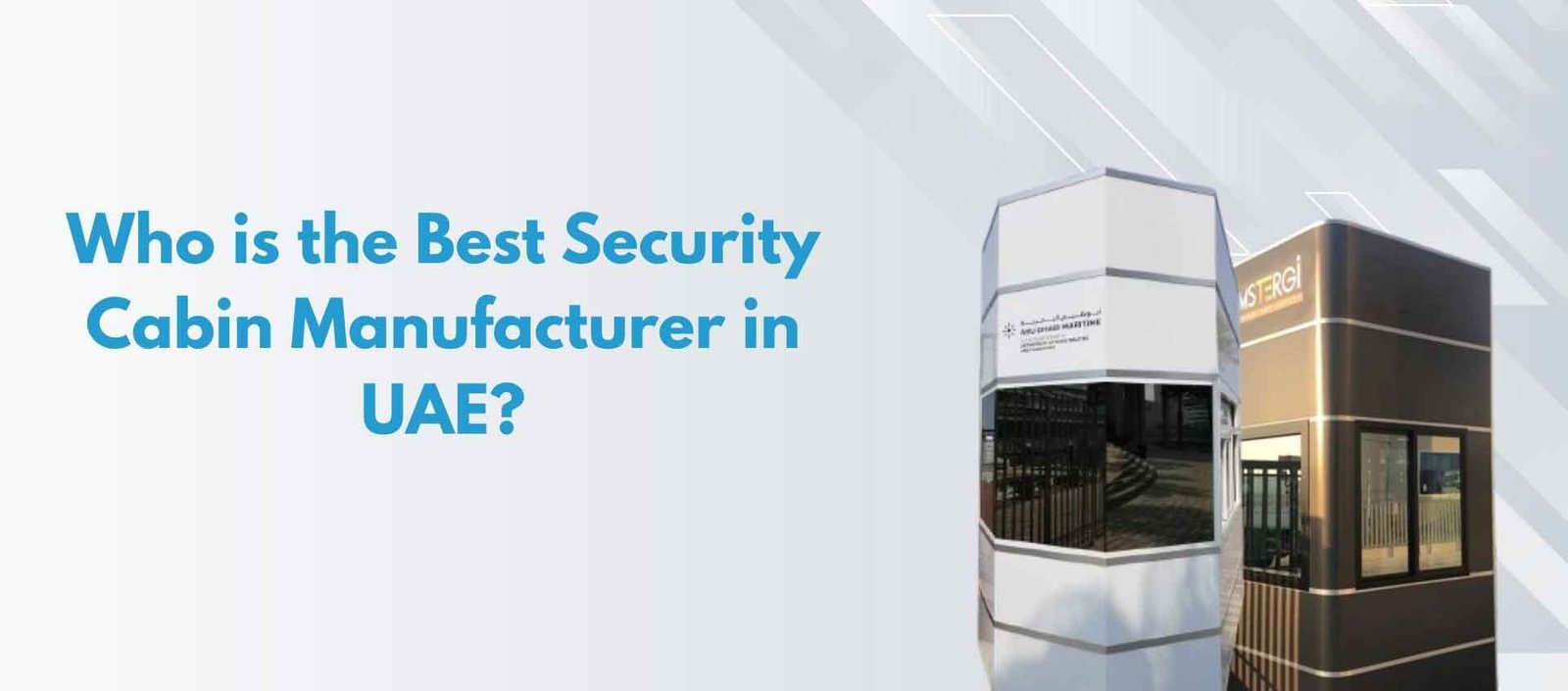
Buying a portacabin in the UAE can look straightforward at first. A quick search brings up manufacturers, dealers, used-unit sellers and modular-building companies offering everything from basic security cabins to fully fitted offices, accommodation units and specialist facilities.
The difficult part is knowing whether you are comparing equivalent products.
Two portacabins can have similar dimensions and completely different construction quality, insulation, electrical systems, interior finishes and fire-safety provisions. Likewise, two suppliers can quote different prices because one includes delivery and installation while the other charges for these separately.
For that reason, comparing portacabin suppliers should involve more than looking for the lowest price. The right comparison should cover specifications, condition, compliance, delivery, installation, warranty and the supplier’s ability to support your project after the sale.
Start by Defining What You Need
Before contacting suppliers, establish exactly what the portacabin will be used for.
A construction company looking for a site office will have different requirements from a business purchasing accommodation units, security cabins, storage space or a permanent modular office.
Define:
- Intended use
- Number of occupants
- Required internal area
- Number of rooms
- Electrical requirements
- Air-conditioning requirements
- Plumbing and sanitary requirements
- Expected period of use
- Whether the unit may need to be relocated
- Required delivery location
Having these details ready allows you to send the same specification to several suppliers and receive quotations that are easier to compare.
Compare the Construction Specification, Not Just the Size
A portacabin’s dimensions tell you how much space it provides, but they do not tell you how it is built.
Ask each supplier for a written specification covering the structural frame, wall panels, roof construction, floor system, doors and windows.
Published UAE supplier specifications demonstrate how much portacabins can vary. Some manufacturers offer steel structural frames, insulated sandwich panels, factory-installed electrical systems, air conditioning and finished interiors, while other units may be supplied with a much more basic specification.
When comparing quotations, make sure the suppliers are quoting for comparable:
Frame: Ask what material and structural system are used.
Wall and roof panels: Check the panel construction and thickness rather than simply accepting the description “insulated.”
Floor: Ask about the structural floor, flooring material and load requirements.
Doors and windows: Check the frame, glazing, locks and insulation.
Interior finish: Confirm what flooring, ceilings, partitions, lighting and fixtures are included.
This prevents a basic cabin from being compared directly with a fully fitted unit.
Check Insulation for UAE Conditions
The UAE climate makes thermal performance an important part of a portacabin purchase.
Ask suppliers what insulation is used in the walls, roof and floor and whether the doors and windows are insulated. Also ask about the air-conditioning system and its capacity.
Do not assume that two cabins of the same size will have the same cooling requirements. Differences in insulation, glazing, internal heat loads and construction can affect how comfortable the cabin is and how hard its air-conditioning system needs to work.
For an office or accommodation unit that will be occupied regularly, insulation should therefore be treated as part of the specification rather than an optional feature.
Compare New, Used and Refurbished Units Separately
If you are comparing several suppliers, make sure you know whether each quotation is for a new, used or refurbished portacabin.
A used cabin can have a lower purchase price, but its condition needs to be assessed carefully. Look for corrosion, roof leakage, damaged flooring, deteriorated panels, electrical modifications and signs of repeated transportation.
A refurbished cabin may have had structural repairs, repainting, new flooring, electrical work or other upgrades. Ask exactly what refurbishment has been completed.
Current UAE buyer guidance also recommends inspecting used units rather than relying only on photographs or advertised prices.
For a used cabin, ask the supplier:
- How old is the unit?
- Where was it previously used?
- How many times has it been relocated?
- Has the structure been repaired?
- Has the roof leaked?
- Has the electrical system been modified?
- Are the AC units original?
- What refurbishment has been completed?
- Can you inspect the unit before purchase?
These answers can make a major difference when comparing the actual value of different offers.
Look at Fire and Safety Requirements
Fire safety should be checked before purchasing, particularly when the cabin will be used as an office, accommodation facility, workplace or other occupied space.
The exact requirements depend on the location, intended use and authority responsible for the site.
For example, PCFC’s published requirements for temporary use of portacabins and containers include a site plan, drainage drawings, fire-protection arrangements and detailed drawings or specifications. The same guidance states that the construction material for the relevant temporary use should have a minimum 30-minute fire rating.
This does not mean every portacabin in every UAE location is subject to exactly the same approval process. Instead, it shows why buyers should establish the requirements applicable to their specific site before buying.
If a supplier describes a cabin as fire-rated, ask for supporting documentation rather than relying only on a verbal statement.
Ask About Documentation
A professional supplier should be able to explain what documentation comes with the unit.
Depending on your project, useful documents can include:
- Technical specifications
- Dimension drawings
- Structural information
- Electrical specifications
- HVAC specifications
- Fire-rating documentation
- Material information
- Warranty documents
- Installation details
- Previous maintenance records for used units
Documentation becomes particularly important when the cabin needs to go through an approval or inspection process.
PCFC’s temporary-use requirements specifically call for detailed drawings, specifications and construction-material information, demonstrating why technical documentation can be an important part of the purchase rather than an afterthought.
Compare What Is Actually Included in the Price
This is one of the most important steps when comparing suppliers.
A quotation of AED X from one supplier may not represent the same package as AED Y from another.
Ask each supplier to clearly separate the cost of:
- Portacabin
- Transportation
- Crane or unloading
- Positioning
- Installation
- Electrical connections
- Plumbing connections
- Air conditioning
- Internal modifications
- Furniture, if required
- Fire-safety equipment
- Foundation or base preparation
- Applicable taxes and charges
Some UAE suppliers provide cabins ready for installation with systems such as flooring, wiring and air conditioning already fitted, while other suppliers may offer different levels of completion.
The safest approach is to request an itemised quotation from every supplier.
Don’t Ignore Delivery and Site Access
A portacabin still has to reach the site.
Before choosing a supplier, confirm whether the supplier has experience delivering units to your location and whether the quotation includes transportation.
The site should also be checked for:
- Vehicle access
- Turning space
- Overhead clearance
- Unloading area
- Crane access
- Ground conditions
- Final positioning
- Electrical and water connection points
A cabin that looks suitable on paper can create problems if delivery vehicles or lifting equipment cannot access the site.
For larger units, confirm the transportation and lifting method with the supplier before placing the order.
Compare Installation Services
Some suppliers sell the cabin only, while others offer a more complete supply-and-installation service.
Ask what happens after the unit arrives.
Does the supplier:
- Position the cabin?
- Connect electricity?
- Connect plumbing?
- Install AC equipment?
- Complete internal finishing?
- Test systems?
- Provide commissioning?
- Assist with authority-related documentation?
The difference can affect both the final cost and the time required to make the cabin operational.
For project buyers, a supplier capable of handling delivery and installation may simplify coordination because fewer separate contractors are involved.
Check Customisation Options
Not every project can use a standard cabin.
You may require additional rooms, partitions, toilets, kitchens, windows, doors, electrical points, data points, air-conditioning capacity or specialist equipment.
Some UAE manufacturers offer standard cabins as well as custom layouts based on customer drawings.
When comparing suppliers, ask whether modifications are:
Included: already part of the quoted specification.
Optional: available at an additional cost.
Not available: outside the supplier’s standard manufacturing capability.
This is particularly important when comparing a standard ready-made cabin with a custom-built unit.
Compare Warranty and After-Sales Support
The purchase should not end when the cabin is delivered.
Ask each supplier about the warranty and clarify exactly what it covers.
For example, does the warranty cover:
- Structural components?
- Roofing?
- Electrical systems?
- AC equipment?
- Doors and windows?
- Plumbing?
- Manufacturing defects?
Also ask how maintenance and warranty claims are handled.
A supplier offering a lower initial price but limited support may provide a very different purchasing proposition from a supplier that provides installation, warranty assistance and after-sales service.
Verify the Supplier’s Experience
Price and product specifications are important, but the supplier’s experience can also matter.
Ask how long the company has been supplying or manufacturing portacabins and whether it has completed projects similar to yours.
If possible, request examples of:
- Similar site offices
- Industrial projects
- Accommodation projects
- Large modular installations
- Custom cabin projects
For a substantial purchase, visiting the supplier’s facility or inspecting an available unit can also provide a better understanding of the actual construction quality.
Compare Suppliers Using the Same Specification
One of the simplest ways to make the buying process easier is to create a standard specification sheet.
Send the same requirements to three or more suppliers.
For example:
| Requirement | Supplier A | Supplier B | Supplier C |
|---|---|---|---|
| Size | |||
| New/Used | |||
| Frame | |||
| Wall panels | |||
| Roof insulation | |||
| Flooring | |||
| Windows | |||
| Doors | |||
| AC | |||
| Electrical | |||
| Plumbing | |||
| Fire provisions | |||
| Delivery | |||
| Crane/unloading | |||
| Installation | |||
| Warranty | |||
| Final price |
This changes the comparison from “Which supplier is cheaper?” to “What am I actually receiving from each supplier?”
Consider the Total Purchase Cost
The advertised cabin price is only one part of the purchasing decision.
Your final expenditure may include transportation, lifting, site preparation, installation, electrical and plumbing connections, modifications, air conditioning, maintenance and other project-specific requirements.
This is especially relevant when comparing used units. A cabin with a very low purchase price may require significant repairs or refurbishment before it can be used.
A higher initial quotation may sometimes include more work and equipment, so comparing only the headline number can produce a misleading result.
Ask These Questions Before Paying a Deposit
Before finalising your purchase, ask the supplier:
- What exactly is included in the quoted price?
- Is the cabin new, used or refurbished?
- What are the exact internal and external dimensions?
- What materials are used for the structure and panels?
- What type of insulation is installed?
- What electrical equipment is included?
- Is air conditioning included?
- Are plumbing and sanitary fittings included?
- What fire-safety provisions are included?
- Can I inspect the unit before purchase?
- Are technical drawings available?
- Does the price include delivery?
- Does it include unloading and positioning?
- Is installation included?
- What warranty is provided?
- What happens if the cabin arrives damaged?
- Can the cabin be modified later?
- What support is available after installation?
- Are there any additional charges?
- What site approvals or documentation should be confirmed before delivery?
A supplier that provides clear written answers makes it easier to understand exactly what you are purchasing.
How to Identify a Better Supplier Without Simply Choosing the Cheapest
There is no single supplier that will be suitable for every UAE project.
The right choice depends on the type of cabin, project requirements, budget, location and expected period of use.
However, a transparent supplier should be able to explain the product specification, provide a detailed quotation and clarify delivery, installation, warranty and documentation requirements.
A supplier who focuses only on the selling price without discussing these details leaves important questions unanswered.
The goal should be to compare like-for-like specifications and total project costs.
Final Thoughts
Comparing portacabin suppliers in the UAE requires more than collecting several prices online.
Start by defining your intended use and required specifications. Then compare construction quality, insulation, electrical and HVAC systems, condition, fire-safety provisions, documentation and customisation options.
After that, look carefully at delivery, lifting, installation, warranty and after-sales support. For used portacabins, inspect the unit and investigate its previous condition before making a commitment.
Most importantly, confirm the requirements that apply to your particular site. Temporary or portable does not automatically mean that every location has the same approval requirements. Official guidance for temporary portacabin use can require site plans, fire-protection information and detailed technical specifications.
A good supplier comparison should therefore answer one simple question: What will I receive, what will it cost in total, and will it meet the requirements of my project?
Once those points are clear, choosing a portacabin supplier becomes a much more straightforward purchasing decision.